When people search on Google, they usually click one of two types of results:
- Organic results
- Paid ads
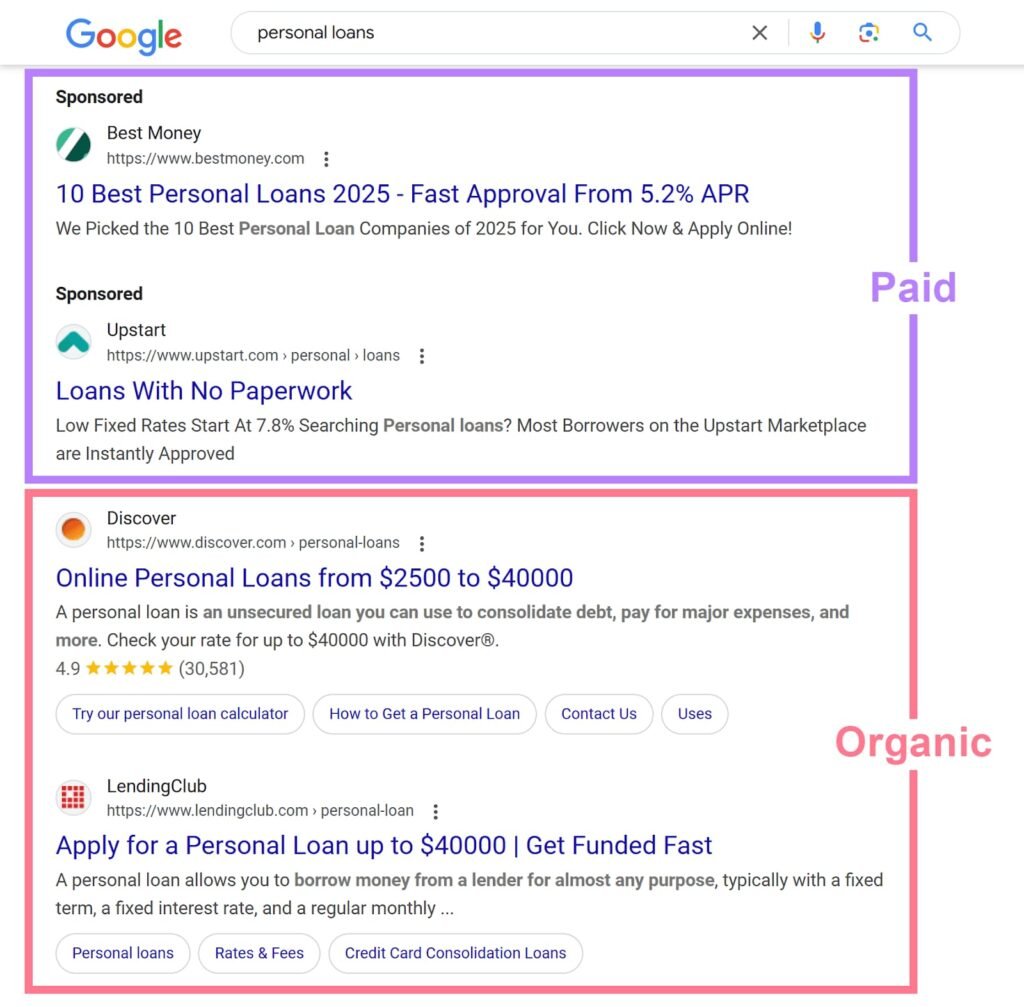
Most beginners don’t realize this, but these two areas are powered by two different strategies: SEO and SEM.
Understanding how they work is not just important—it’s essential if you want to succeed in digital marketing.
In this guide, we’ll break down SEO and SEM in a clear, practical, and strategic way.
What is SEO?
Search Engine Optimization is the process of improving your website, so it ranks higher in organic (non-paid) search results.
In simple words: You don’t pay Google. You earn your position.
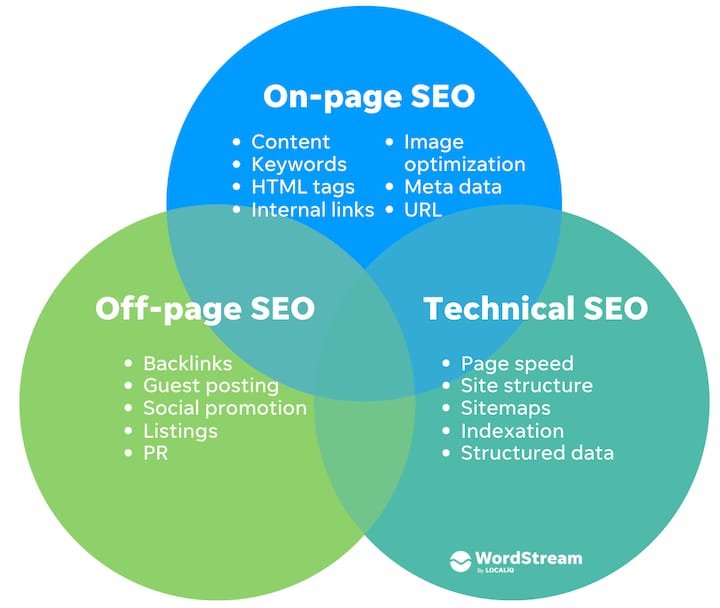
Search Engine Optimization is not just one activity it’s a combination of multiple strategies:
On-Page Optimization
On-Page Optimization refers to all improvements made inside a website to make it more useful for users and easier for search engines to understand.
It mainly focuses on content quality and keyword placement so that pages are relevant to what users are searching for.
Key elements:
- Using relevant keywords in titles and content
- Writing high-quality and informative content
- Creating proper headings (H1, H2, H3)
- Writing clear meta titles and descriptions
- Linking related pages within the website
In simple terms: It is about improving the content and structure inside your website.
Off-Page Optimization
Off-Page Optimization refers to actions taken outside the website to improve its authority, trust, and popularity.
It helps search engines understand how other websites and users view your website.
Key elements:
- Getting links from other websites
- Sharing content on social media platforms
- Writing articles for other websites
- Mentions of your brand on different platforms
In simple terms: It is about building your website’s reputation on the internet.
Technical Optimization
Technical Optimization focuses on improving the backend structure of a website so it works smoothly and can be easily accessed by search engines.
It ensures that the website loads fast, is secure, and is properly organized.
Key elements:
- Fast loading speed
- Mobile-friendly design
- Creating sitemap files
- Fixing broken links and errors
- Secure connection (HTTPS)
- Proper website structure
In simple terms: It is about making the website strong, fast, and easy to access. Learn more about Seo Click here
What is SEM?
In today’s digital world, every business wants one thing visibility. But with millions of websites competing for attention, getting noticed is not always easy.
This is where SEM (Search Engine Marketing) comes in.
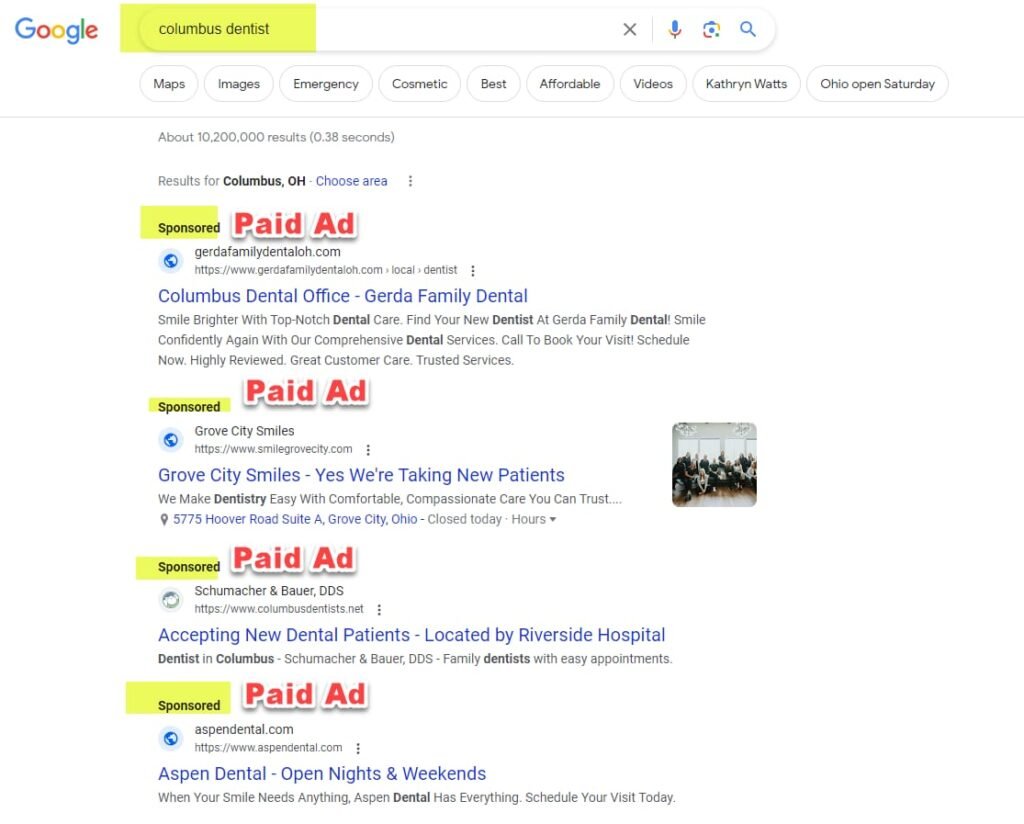
SEM is a digital marketing strategy where businesses use paid advertisements to appear on search engines like Google. Instead of waiting for organic traffic, companies pay to show their website at the top of search results when users search for specific keywords.
When you see results marked as “Sponsored”, those are part of SEM campaigns.
How SEM Works
SEM works on a simple system called Pay-Per-Click (PPC).
Here’s how it works step by step:
- A business selects relevant keywords
- They create an advertisement for those keywords
- They bid for ad placement on search results
- The ad appears when users search those keywords
- The business pays only when someone clicks the ad
- This makes SEM a very controlled and measurable marketing method.
Why SEM is Important
SEM is widely used because it delivers fast and targeted results. Unlike long-term strategies, SEM helps businesses reach their audience immediately.
It is especially useful for:
- New product launches
- Seasonal offers and promotions
- Competitive industries
- Businesses that need quick traffic
With proper strategy, SEM can bring highly relevant visitors who are already interested in a product or service.
Key Benefits of SEM
- Instant visibility on search engines
- Targeted audience reach based on keywords, location, and interests
- Full control over budget and spending
- Easy tracking of performance and conversions
- Fast results compared to other marketing methods
Digital Visibility vs Paid Search Ads Organic Visibility Improvement
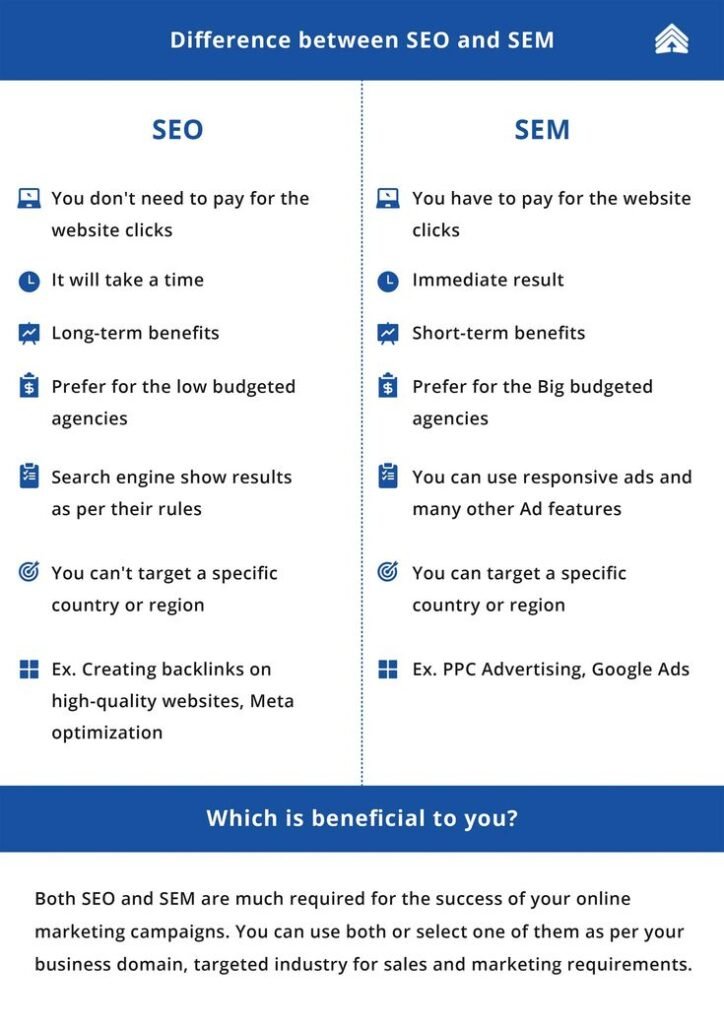
This method focuses on improving your website, so it appears in search results naturally without paying for clicks.
Instead of buying traffic, you earn it by improving your website quality, content, and trust over time.
Key points:
- Cost: No payment per click
- Speed: Slow and gradual results
- Value: Long-term and stable traffic growth
- Investment: Requires time, effort, and consistency
- Control: Rankings depend on search engine algorithms
- Focus areas: Content quality, website structure, backlinks, and user experience
In simple terms, this method is about building trust and authority
Paid Search Advertising
This method involves paying to show your website at the top of search results instantly.
You select keywords, set a budget, and your ads appear when users search for related terms.
Key points:
- Cost: Pay for every click (PPC model)
- Speed: Immediate visibility
- Value: Short-term traffic based on budget
- Investment: Requires advertising spend
- Control: Full control over targeting, budget, and messaging
- Focus areas: Ad campaigns, keyword bidding, and audience targeting
In simple terms, this is like turning on a spotlight for instant attention—but only while you keep paying for it.
Real Example: Online Clothing Store in Chennai
Imagine you start an online store called “Urban Wear” for college fashion.
Paid Ads Approach:
You run ads for “buy hoodies online Chennai.” Within a day, your store appears at the top of search results. You start getting clicks and sales quickly. But once your budget is finished, traffic stops immediately.
Organic Approach:
You create helpful content like “Best hoodies for college students in Chennai” and optimize your website. After a few months, your pages start appearing in search results naturally. Now you receive daily visitors without paying for each click.
Which One Should You Choose?
There is no single best option. It depends on your goal.
Choose paid search ads when you need quick traffic, sales, or are launching something new.
Choose organic visibility improvement when you want long-term growth, trust, and consistent traffic.
The smartest strategy is not choosing one over the other—it is combining both.
Paid ads help you get immediate attention and test what works.
Organic visibility helps you build a strong and lasting online presence.
- One gives you speed.
- The other gives you stability.
Learn more about Seo and Sem Click here
Conclusion
Building an online presence is not just about creating a website—it is about making sure people can actually find it. That is where both search engine optimization and search engine marketing (SEM) play an important role.
Search engine optimization focuses on building long-term trust, authority, and consistent visibility over time. It may take patience, but the results are stable and sustainable. On the other hand, SEM delivers instant visibility and quick results, making it ideal for immediate goals and targeted campaigns.The key takeaway is simple: both approaches are powerful in their own ways. One helps you grow steadily for the future, while the other helps you achieve fast results in the present.
A smart digital strategy does not depend on choosing one over the other. Instead, it focuses on using both methods together to balance short-term success with long-term growth.
When used wisely, search engine optimization and SEM create a strong foundation for continuous online success and brand visibility